

ÇAKÜ's Signature for the Digital World: Planet 589 Takes the Stage
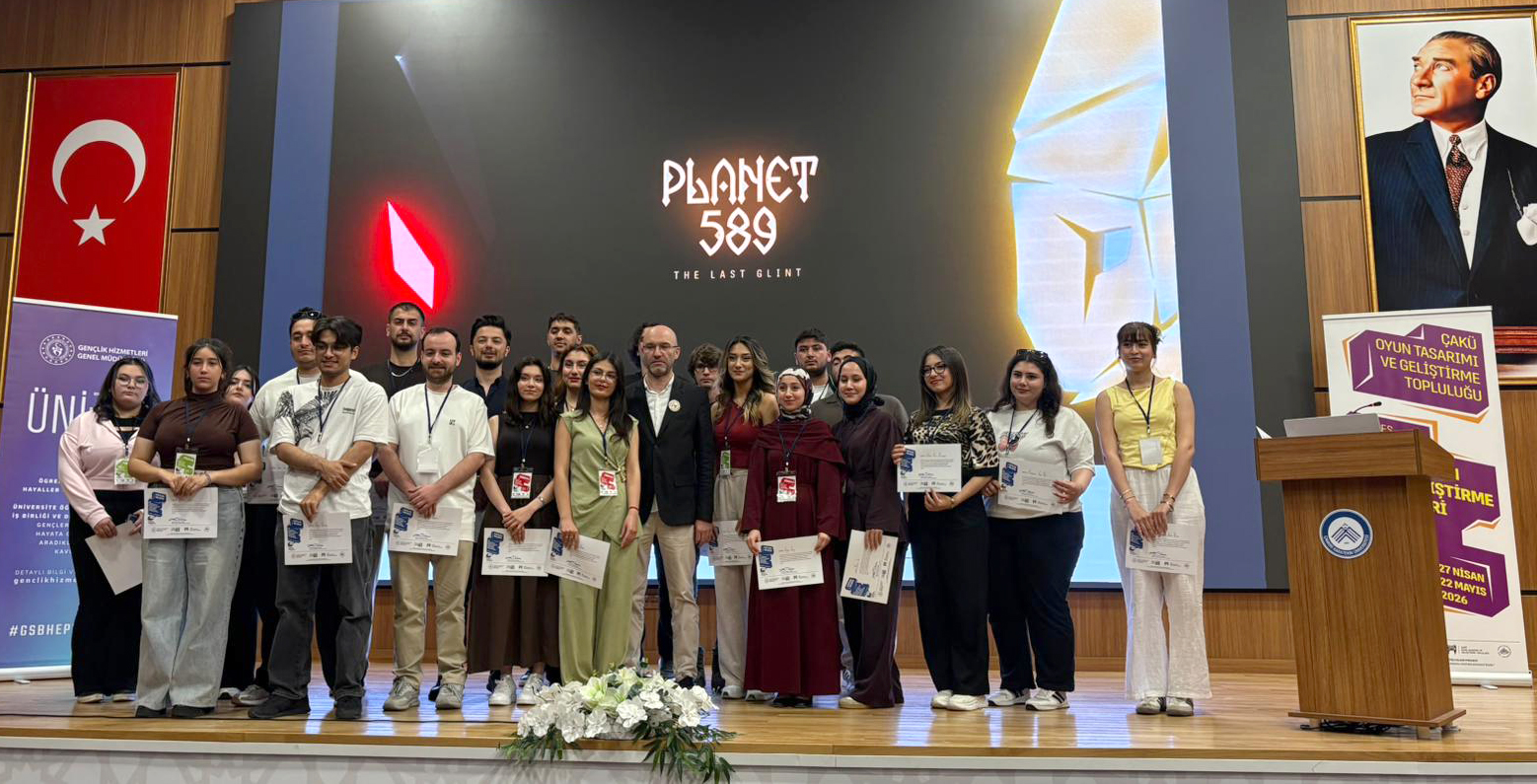
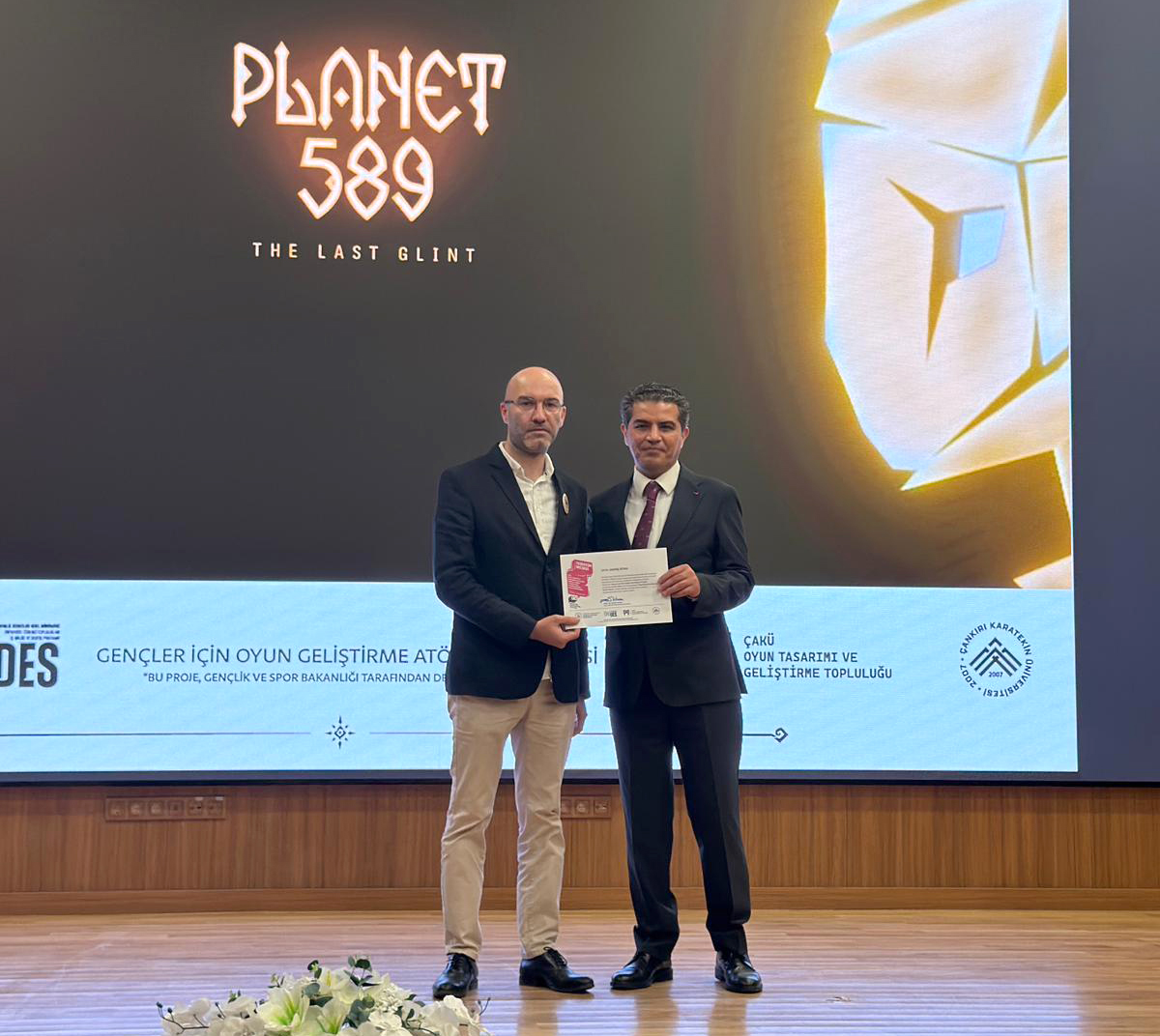
The premiere of the digital game "Planet 589: The Last Glint", developed by Çankırı Karatekin University Game Design and Development Community, was held on June 2, 2026 at the Ahmet Yesevi Conference Hall.
The game, which was implemented within the framework of the "Game Development Workshops Project for Youth" supported within the scope of the 6th Term of the University Student Societies Cooperation and Support Program (UNIDES) carried out by the General Directorate of Youth Services of the Ministry of Youth and Sports, attracted attention as a successful product of the work carried out by the students with an interdisciplinary approach.
Game Design and Development Society Academic Advisor Res. See. Dr. Within the scope of the project developed under the idea leadership of Oğuz Balas, students; Working together in the fields of game design, software development, visual design, animation, sound design and story editing, they created an original digital game.
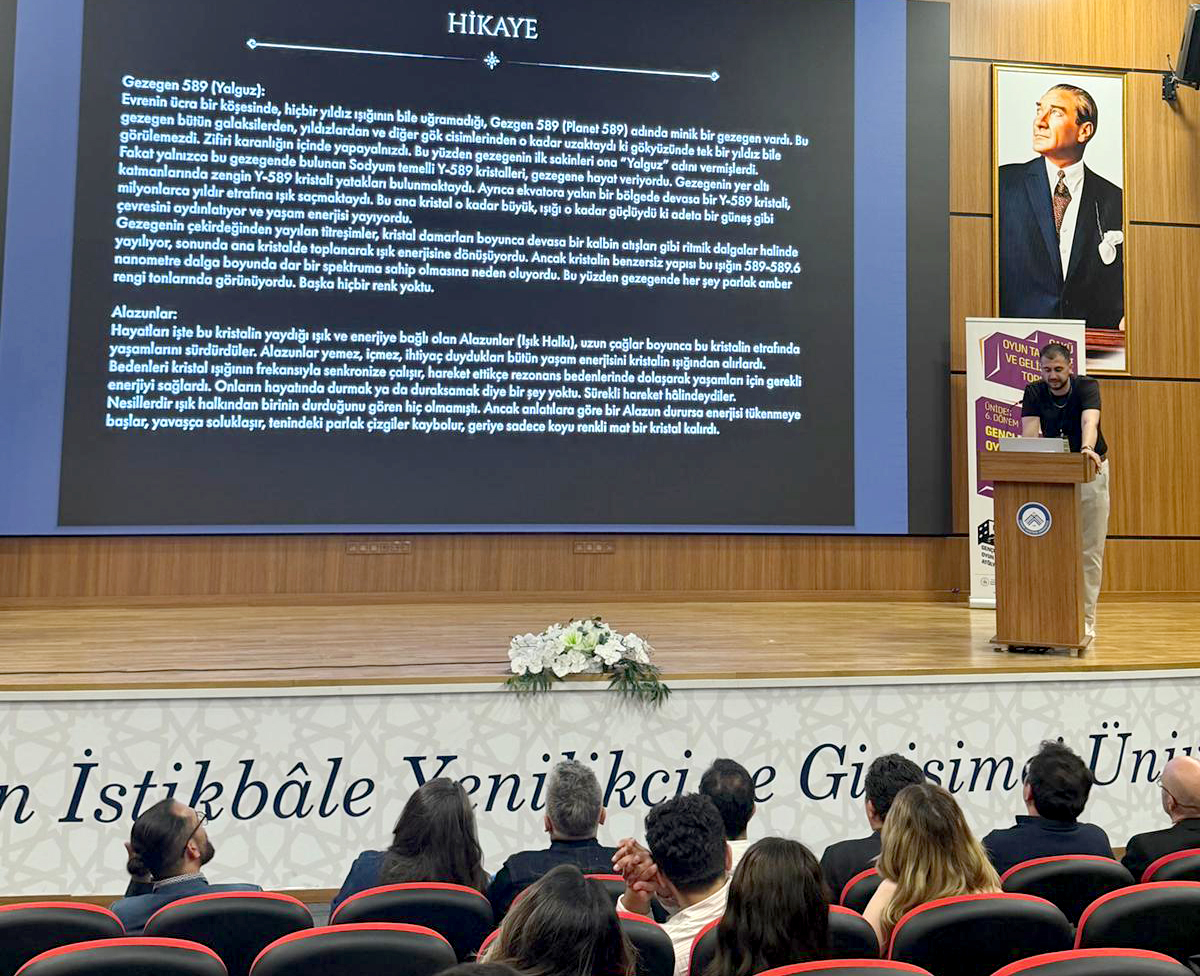
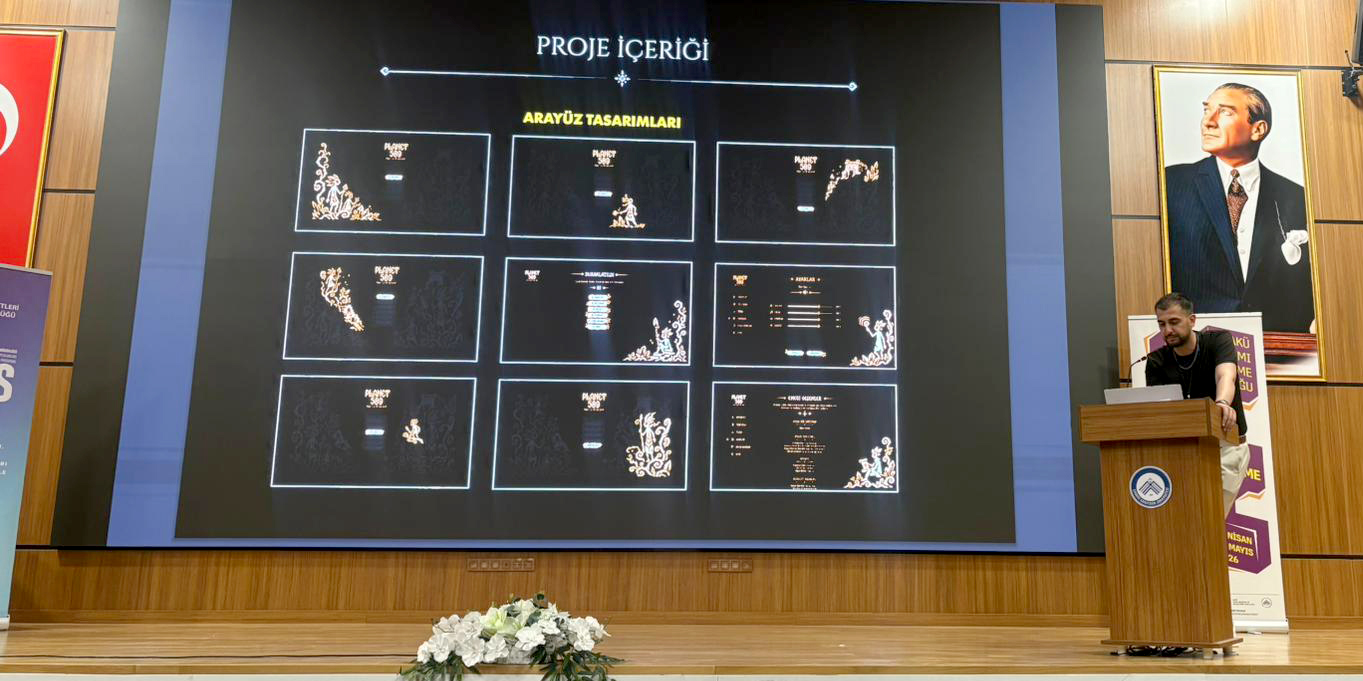
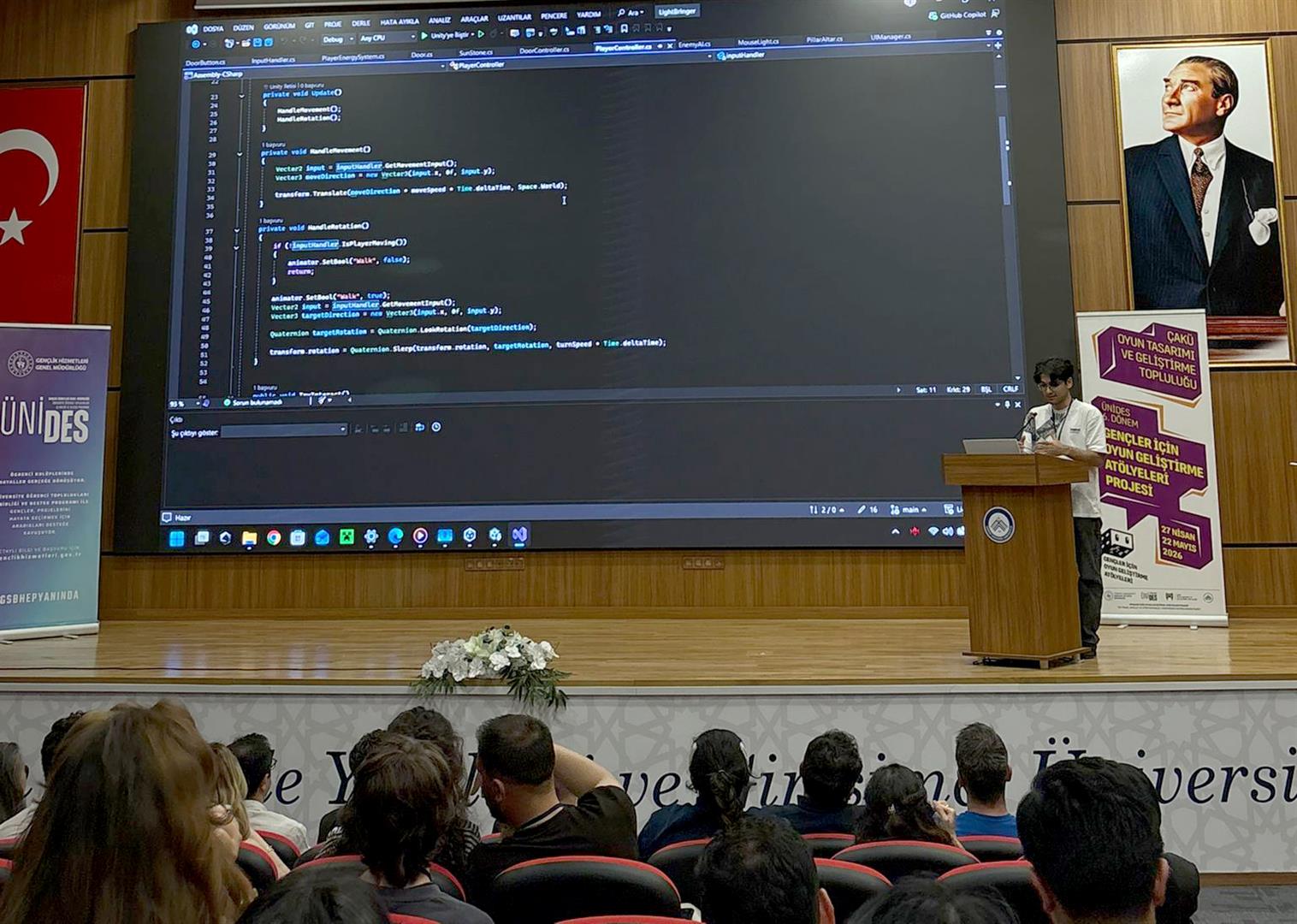
At the premiere event, detailed information about the project process and the development stages of the game was shared with the participants. Following the presentation, “Planet 589: Last Gleaming” was presented to the audience for the first time on the screen on the stage. The first gameplay experience of the game was given by Çankırı Karatekin University Faculty of Art, Design and Architecture Dean Prof. Dr. It was performed by Ersoy Yılmaz.
Designed as an atmospheric adventure game that tracks the last glow on a distant planet where light is gradually disappearing, “Planet 589: Last Glow” revealed that with a strong teamwork, students were able to develop a playable digital game in a short time. Bringing together design, software, visual expression, sound, animation and story development processes, the project offered an applied and student-oriented learning experience in the field of game development.
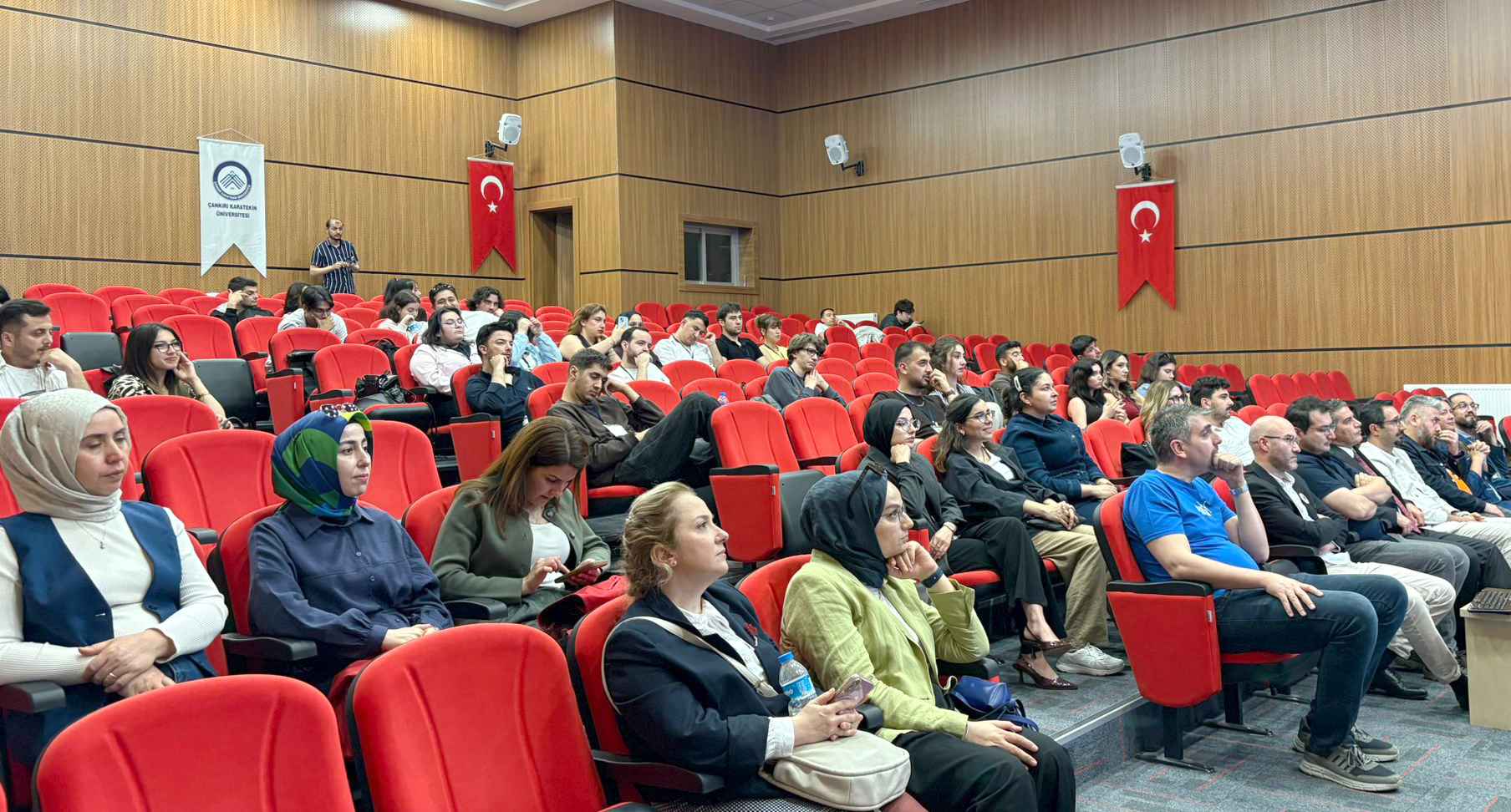
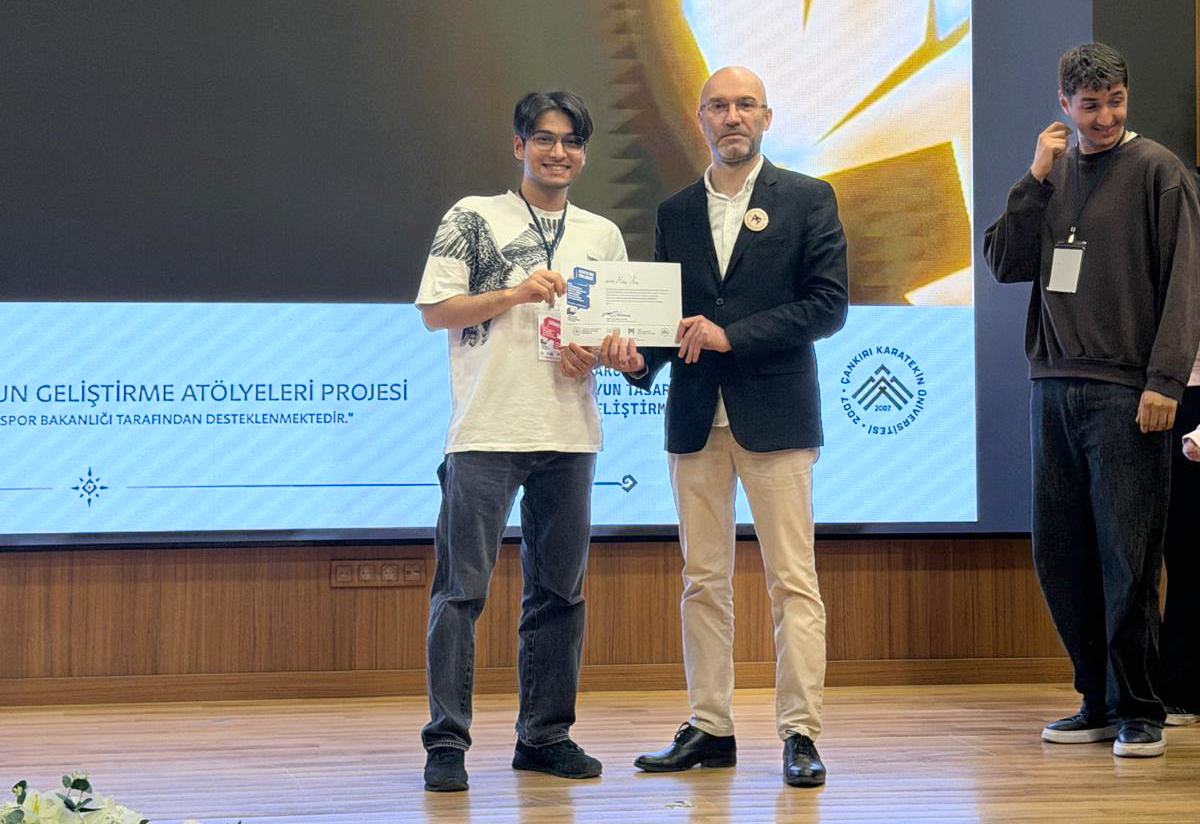
The event, which was held with the participation of academic and administrative staff, as well as students and guests, was evaluated as an exemplary project presentation that contributed to the development of young people's creative thinking, digital production, coding and teamwork skills. The study, which emerged with the voluntary efforts of university students, revealed the potential of young people in the field of technology and digital content production, and once again demonstrated the importance of university-community collaborations in producing concrete outputs.