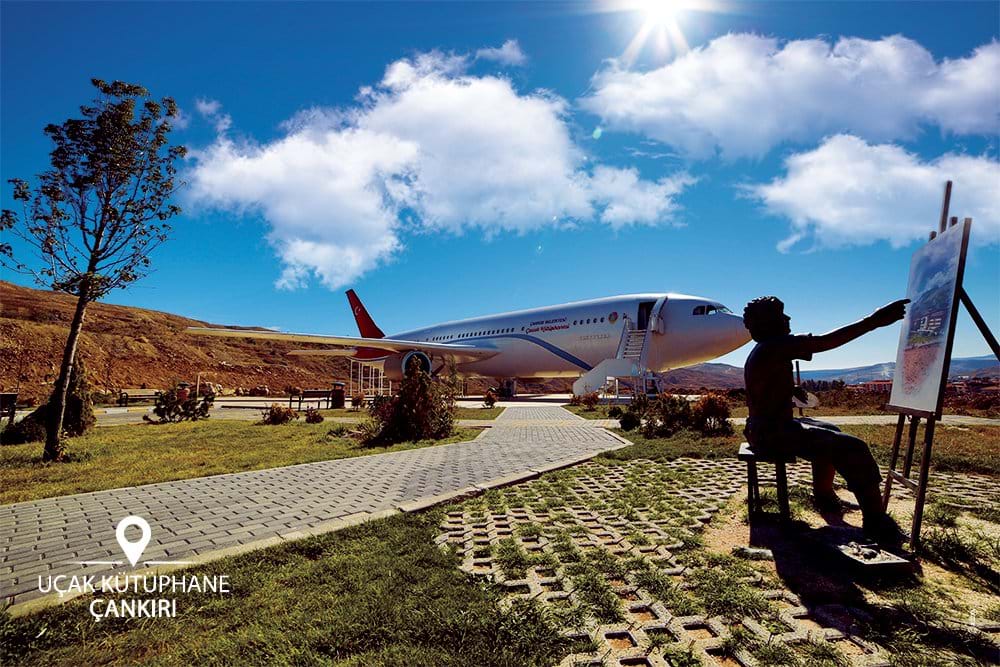


About Çankırı
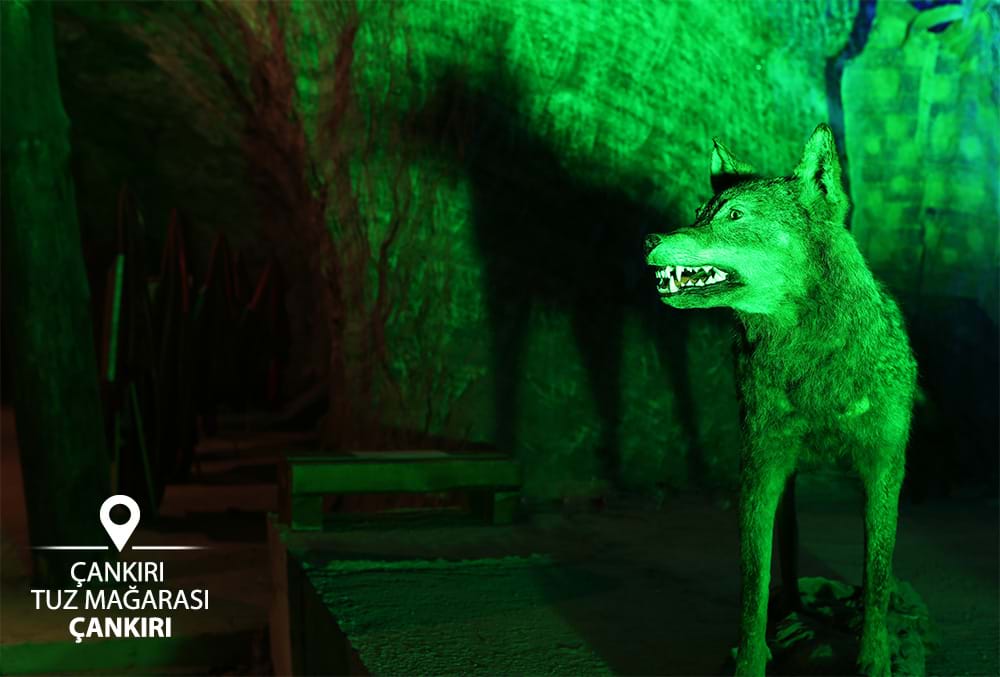
Today, the easiest way to escape the chaos of big cities is day trips. For this reason, Ankara residents generally choose either Polatlı or Beypazarı. Very few people think of going to Çankırı by taking a bus. However, in this city, which is only 1.5 hours away from the capital, there is a lot to see, from ancient Seljuk works to extremely beautiful Ottoman houses, from mosques to a huge salt mine.
About Çankırı
Çankırı is the center of the province of the same name located in the Central Anatolia Region of Türkiye. The name of Çankırı was written as "Çangırı" or "Çengiri" by some Western travelers. The city was founded on the site of the old city called Gangra. It was previously affiliated with Paphlagonia. Then it was connected to the Pontus state and then to Galatia. Deiotarus, ruler of Galatia, made Gangra his center. The region, which was annexed to the Roman Empire in 25 BC, was a place of exile during the Byzantine period. The city of Germanikopolis mentioned in some sources is thought to be Gangra. Although the Islamic armies attacked several times during the Umayyad period, they could not capture this castle.
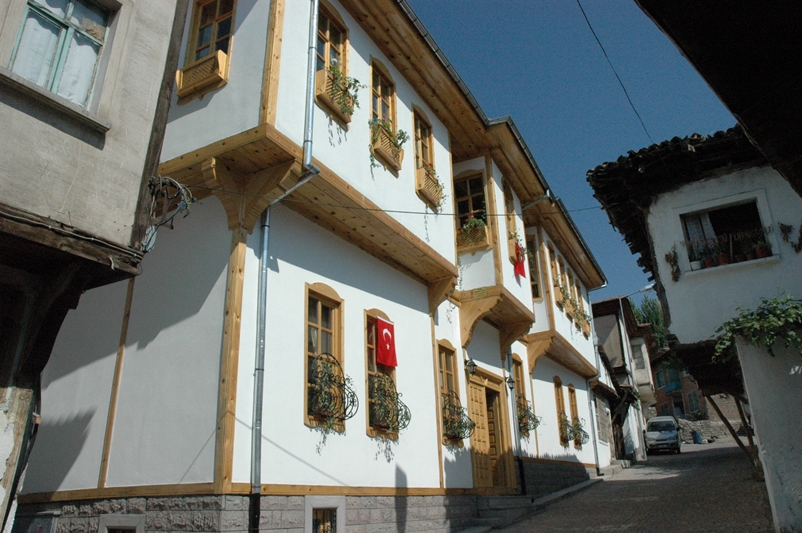
Historical Texture
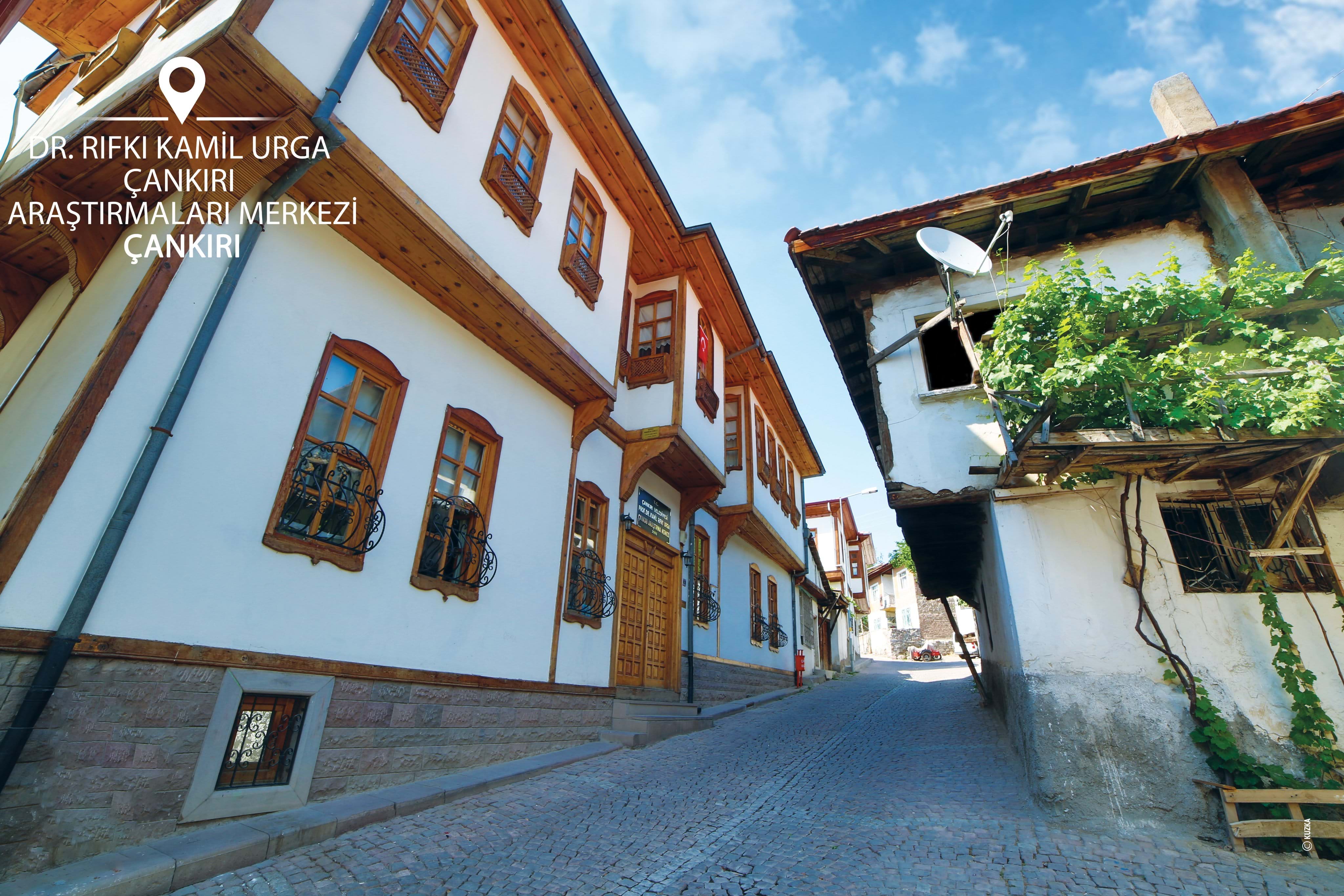
Our province of Çankırı, which has hosted many civilizations throughout history, has a very rich heritage in terms of history, culture and art. Old Çankırı houses also carry all the features of the Turkish House, with very few differences. The geological structure of the region, climate characteristics and individual and social needs at the time they were built were important elements in shaping the houses. Çankırı houses are generally two-storey and are generally shaped according to the shape of the land. The first floor is the intermediate floor and is used for winter. This is where daily life takes place. This was taken into consideration when making the plan and it is simple and useful. It is intended for cooking, eating and sitting. The second floors have a view and are spectacular. These floors are used mostly in summer. Due to the land shortage resulting from Çankırı's geological location, houses in Çankırı are almost interlocked. The fact that it is located in the first degree earthquake zone has caused this kind of necessity to arise.
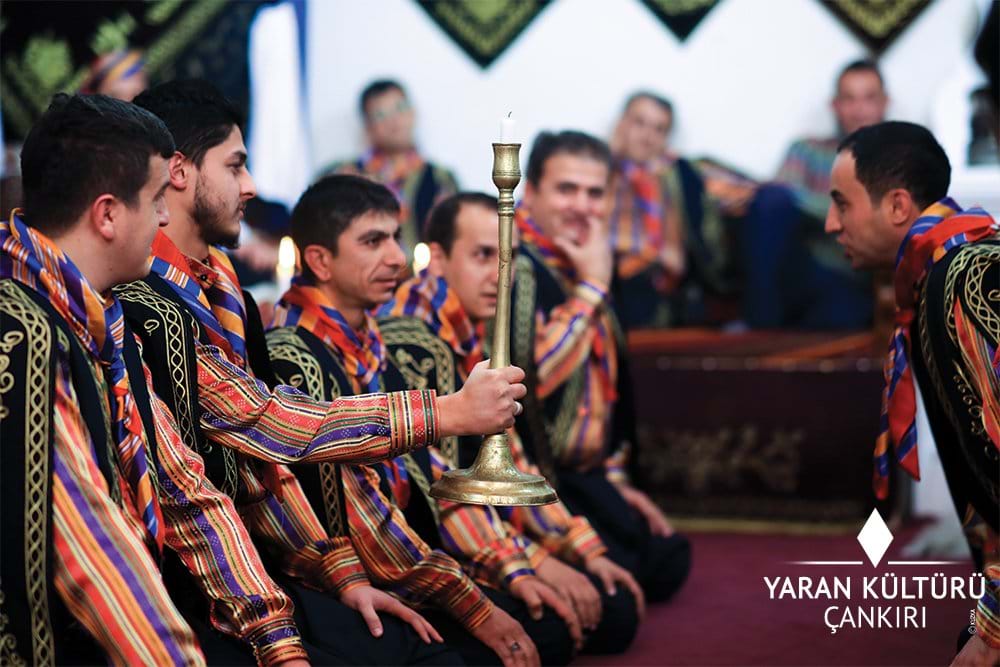
Land of Yarens
Talking beauties of silent lands: Çankırı Today, the easiest way to escape the chaos of big cities is day trips. For this reason, Ankara residents generally choose either Polatlı or Beypazarı. Very few people think of going to Çankırı by taking a bus. However, in this city, which is only 1.5 hours away from the capital, there is a lot to see, from ancient Seljuk works to extremely beautiful Ottoman houses, from mosques to a huge salt mine.